
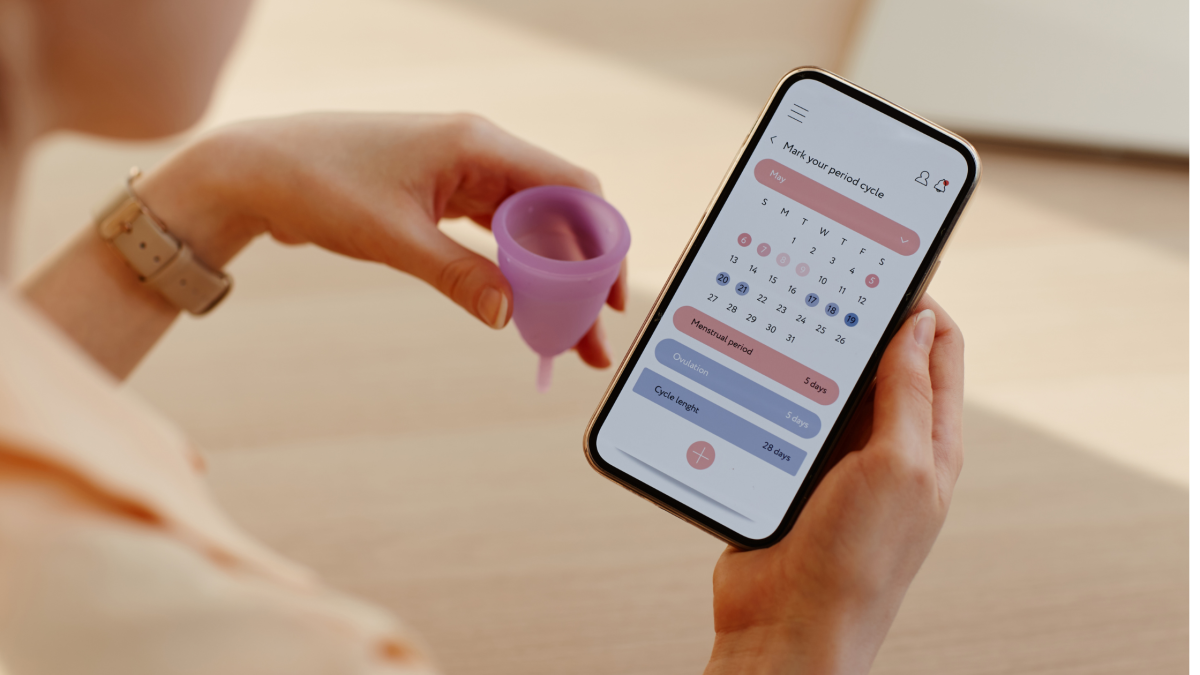
The menstrual cycle is a natural process that prepares the female body for pregnancy. It involves complex hormonal changes that occur roughly every 28 days, though cycles can range from 21 to 35 days. Understanding each phase of the menstrual cycle can help women better manage their reproductive health and recognise potential issues.
Phases of the Menstrual Cycle
The menstrual cycle is divided into four key phases:
- Menstrual Phase
- Follicular Phase
- Ovulation Phase
- Luteal Phase
Each phase is regulated by hormonal changes involving oestrogen, progesterone, luteinising hormone (LH), and follicle-stimulating hormone (FSH). Let’s explore these phases in detail.
1. Menstrual Phase (Days 1-5)
The menstrual phase marks the beginning of the cycle. It starts when the uterus sheds its lining, resulting in menstrual bleeding. This occurs if no fertilised egg implants during the previous cycle.
What Happens:
- The uterus contracts to expel its lining, which includes blood, mucus, and tissue.
- Hormone levels of oestrogen and progesterone drop significantly.
Common Symptoms:
- Abdominal cramps
- Lower back pain
- Fatigue
- Mood swings
Did You Know?
The average menstrual period lasts between 3-7 days, with the heaviest bleeding typically occurring in the first two days.
2. Follicular Phase (Days 1-13)
The follicular phase overlaps with the menstrual phase and continues after menstruation ends. It begins on the first day of menstruation and lasts until ovulation.
What Happens:
- The pituitary gland releases follicle-stimulating hormone (FSH).
- FSH stimulates the ovaries to produce follicles, each containing an immature egg.
- Only one follicle typically matures into a dominant egg.
- Oestrogen levels rise, thickening the uterine lining in preparation for a potential pregnancy.
Why It Matters:
This phase is crucial for ovulation, as the dominant follicle will release a mature egg later in the cycle.
3. Ovulation Phase (Around Day 14)
Ovulation is the release of a mature egg from the ovary and is the most fertile phase of the cycle. This phase is triggered by a surge in luteinising hormone (LH).
What Happens:
- The dominant follicle bursts, releasing the egg into the fallopian tube.
- Oestrogen levels peak, while LH surges.
- The egg is viable for fertilisation for 12-24 hours.
How to Recognise Ovulation:
- Changes in Cervical Mucus: It becomes clear, slippery, and stretchy like egg whites.
- Slight Temperature Rise: Basal body temperature increases after ovulation.
- Ovulation Pain (Mittelschmerz): Some women experience mild pain on one side of the lower abdomen.
4. Luteal Phase (Days 15-28)
The luteal phase occurs after ovulation and lasts about 14 days. If the egg is fertilised, pregnancy begins. If not, hormone levels drop, leading to menstruation.
What Happens:
- The empty follicle turns into the corpus luteum, producing progesterone.
- Progesterone maintains the thickened uterine lining.
- If fertilisation does not occur, the corpus luteum breaks down, causing progesterone and oestrogen levels to fall.
- The cycle restarts with menstruation.
Common Symptoms (PMS):
- Bloating and breast tenderness
- Mood swings and irritability
- Food cravings or appetite changes
- Fatigue and headaches
Key Insight:
Hormonal fluctuations during this phase often cause Premenstrual Syndrome (PMS). Severe cases might indicate Premenstrual Dysphoric Disorder (PMDD), requiring medical support.
Tracking and Managing the Menstrual Cycle
Tracking your menstrual cycle can help you better understand your body, predict periods, and identify potential health concerns. Several apps are designed to make cycle tracking simple and accessible. Here are some highly rated menstrual cycle tracking apps:
Focused on fertility and cycle tracking, offering tools for women trying to conceive.
Clue:
A science-backed app offering detailed tracking of periods, ovulation, and symptoms.
Provides personalised cycle predictions and health insights.
Flo:
A popular app with features for period tracking, ovulation predictions, and pregnancy planning.
Offers health tips and symptom analysis through its AI-powered platform.
The first FDA-cleared birth control app that tracks periods and ovulation based on body temperature.
Suitable for both contraception and pregnancy planning.
Ovia Fertility & Cycle Tracker:
Focused on fertility and cycle tracking, offering tools for women trying to conceive.
When to See a Doctor
Consult a healthcare provider if you experience:
- Extremely heavy or prolonged periods
- Severe menstrual pain or cramps
- Irregular or missed periods
- Difficulty conceiving after tracking ovulation
These could be signs of underlying health conditions like polycystic ovary syndrome (PCOS), fibroids, or endometriosis.
How firstScan’s Fertility Blood Tests Can Help
firstScan offers fertility blood tests designed to evaluate key hormonal markers that influence the menstrual cycle and reproductive health. These tests measure hormones such as FSH (Follicle-Stimulating Hormone), LH (Luteinising Hormone), progesterone, and AMH (Anti-Müllerian Hormone), which reflect ovarian reserve and fertility potential.
By identifying hormonal imbalances, firstScan’s tests can help detect conditions like polycystic ovary syndrome (PCOS), thyroid issues, and irregular ovulation, all of which may affect conception. The results provide personalised insights, enabling healthcare professionals to recommend appropriate treatments or fertility planning strategies. Early diagnosis through such tests can improve the chances of successful conception and overall reproductive health management.
For more details, visit the firstScan’s website.
The menstrual cycle is a dynamic and vital process controlled by a delicate balance of hormones. Understanding its phases can help women make informed decisions about their health and recognise when something might be off. For more expert guidance, visit the NHS website.