
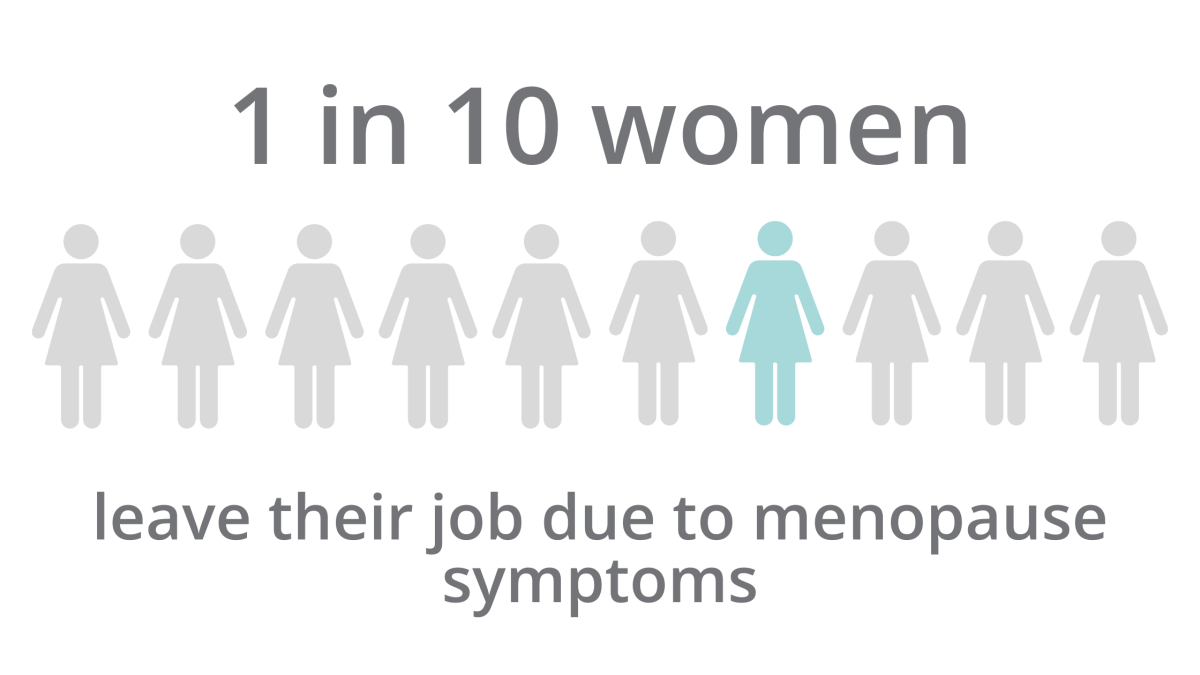
Menopause is a natural part of a woman’s life, typically occurring between the ages of 45 and 55, but it’s often misunderstood, both socially and professionally. Recent studies have shown a startling statistic: 1 in 10 women leave their jobs because of menopause symptoms. This highlights a significant issue in the workplace – menopause is impacting women’s careers in ways that are frequently overlooked or not properly addressed.
In this blog post, we’ll explore why menopause symptoms are causing women to step away from their careers, the challenges they face, and what can be done to better support employees through this life stage.
The Impact of Menopause Symptoms
Menopause symptoms can vary greatly from woman to woman, but common issues include hot flashes, night sweats, fatigue, brain fog, anxiety, and depression. These symptoms can be incredibly disruptive, affecting both physical and emotional well-being. For many women, they can be so intense that they struggle to continue with daily activities, including work.
While the physical symptoms like hot flashes and disrupted sleep are the most commonly discussed, mental health can be equally challenging. Brain fog, mood swings, and depression can make concentration difficult, leading to reduced productivity and a lack of confidence. In a work environment, this can result in feelings of frustration and helplessness, and for some, the pressure to perform can become overwhelming.
Why Women Are Leaving Their Jobs
The reality is that menopause isn’t something that can simply be “worked through” by most women. The combination of physical and emotional symptoms can make it impossible to stay on top of responsibilities, particularly in demanding work environments. However, many women are reluctant to discuss menopause at work due to fear of stigma or embarrassment, leading them to silently struggle without seeking the help they need.
Some women feel they are not receiving the support they require from their employers. This can include a lack of flexibility in work hours, limited understanding from colleagues or managers, and even insufficient facilities, such as air conditioning in the workplace to combat hot flashes. When workplaces don’t acknowledge or accommodate menopause symptoms, women may feel forced to leave their jobs to protect their health and well-being.
Another contributing factor is the general lack of awareness around menopause in many professional settings. Many workplaces are still not equipped to support employees through this transition, leaving women to navigate these symptoms alone. This lack of support can cause women to experience a sense of isolation or discrimination, leading them to resign, either voluntarily or out of sheer necessity.
The Economic and Social Costs
When 1 in 10 women leave their jobs because of menopause, it has wider economic and social implications. Losing experienced employees means that businesses lose valuable knowledge and expertise, which could take years to replace. Moreover, it is estimated that menopause-related absence and lost productivity costs UK businesses billions of pounds each year. Beyond the financial impact, there is a growing concern about the broader societal implications of menopause-related job loss, including the long-term financial security of women and the impact on their careers.
For women themselves, stepping away from a job due to menopause symptoms can be a huge blow. It can affect their financial independence, future career prospects, and even self-esteem. Women are already at risk of gender-based inequality in the workplace, and menopause can further exacerbate these issues. Losing experienced women from the workforce, particularly in midlife, can perpetuate the gender pay gap and limit opportunities for career advancement.
Creating a More Supportive Workplace Environment
There is a clear need for workplaces to become more menopause-friendly. Employers can take simple yet effective steps to create an environment where women feel supported during this challenging time. Here are a few ways businesses can help:
1. Raise Awareness and Educate
Menopause is often a taboo subject in many workplaces, but it shouldn’t be. Open and honest conversations about menopause can help reduce stigma and create a more supportive atmosphere. Employers can provide training for managers and staff on the impact of menopause symptoms and how to offer support.
2. Provide Flexibility
Flexible working hours and the option to work from home can make a huge difference to women dealing with menopause symptoms. This flexibility allows women to manage symptoms like fatigue or disrupted sleep without the added stress of a rigid work schedule.
3. Offer Supportive Policies
Workplaces should consider implementing policies that support women going through menopause, such as paid sick leave for symptoms or additional mental health support. For some women, the right adjustments (e.g., cooler office temperatures, more frequent breaks) can help them continue working without needing to take extended leave.
4. Encourage Open Dialogue
Creating a culture of openness around menopause in the workplace is key. Women should feel comfortable discussing their symptoms and seeking adjustments when needed. Managers should listen and take appropriate action without making women feel uncomfortable or unsupported.
5. Access to Health and Well-being Resources
Offering access to health services, including menopause-related counselling, stress management programmes, and support groups, can provide employees with the tools they need to manage their symptoms. These services could be a key part of any workplace wellness programme.
Moving Forward: Empowering Women Through Menopause
Menopause is an inevitable part of life, but it doesn’t need to be a barrier to success in the workplace. By creating an open and supportive environment, businesses can empower their employees to continue thriving through this phase of life. In turn, organisations benefit from retaining valuable and experienced workers, while women can continue contributing to their careers without feeling forced to step away.
As we move forward, it is crucial to break the silence around menopause, and ensure that workplaces are equipped to support women during this stage. Together, we can create a more inclusive, understanding, and supportive environment for everyone.
Ultimately, menopause should not be a reason for women to leave their careers, but rather an opportunity for businesses to foster an environment of care and support that benefits both employees and employers alike.